Forgiven People Must Forgive Matthew 6:14–15
Matthew 6:14-15
Experience the transformative power of God's Word. Our sermons at By The Book Ministries, Inc. are crafted to bring clarity, encourage repentance, and inspire obedience. Join us in Stockbridge, Georgia, or listen online, as we delve into truths that shape lives and build faith.

After hearing a sermon from By The Book Ministries, Inc., we don’t aim for applause—we aim for conviction. We expect people to feel the weight of truth. Not condemnation, but clarity. A moment where the noise fades, excuses are exposed, and the Word speaks directly to the heart. We hope you will:
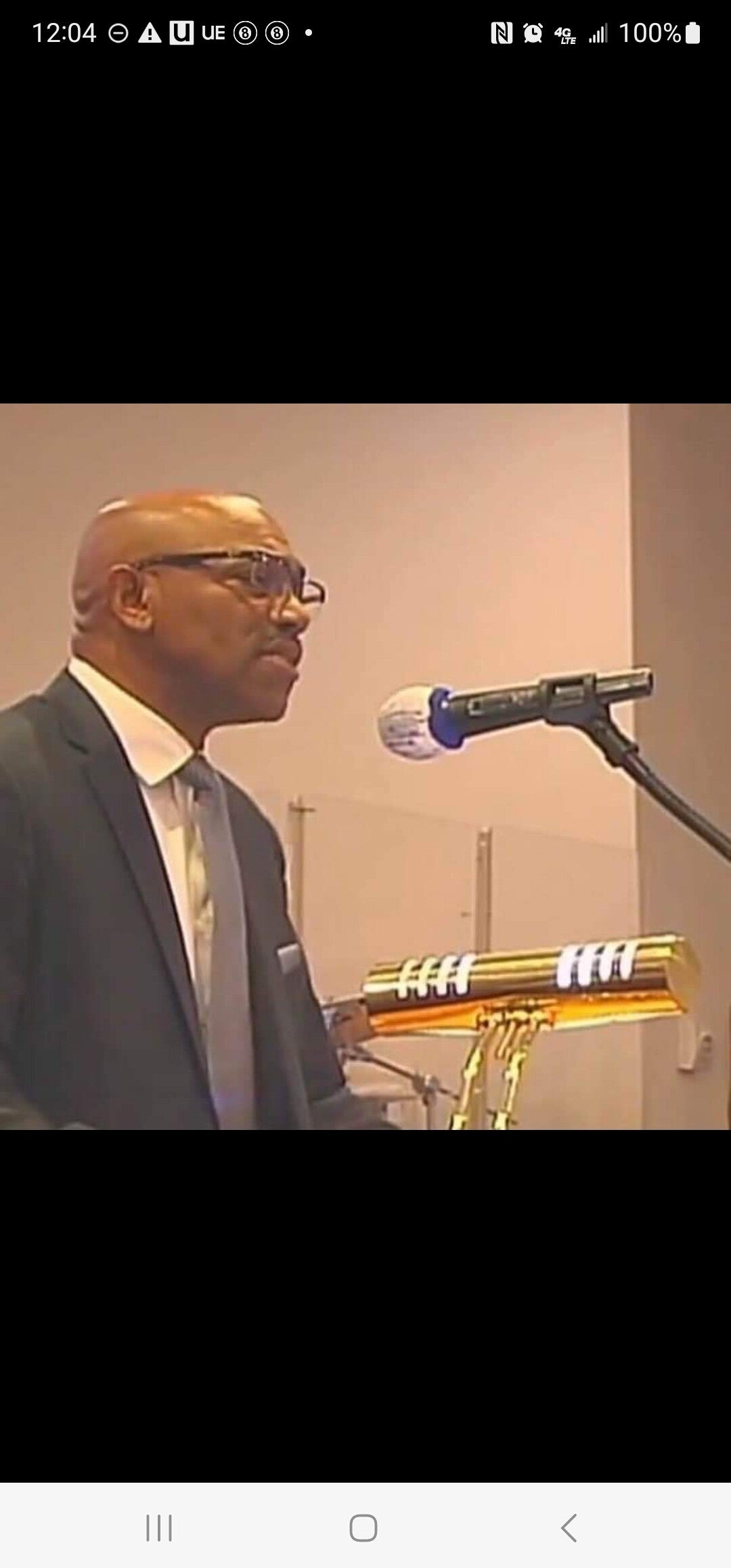
At By The Book Ministries, Inc., our sermons are not built around trends or opinions—they are centered on truth. Every message is designed to bring clarity, correction, and direction through the Word of God. These are the core themes that consistently shape what we teach:

At By The Book Ministries, Inc., sermons are not meant to be consumed—they are meant to be applied. Listening is only the beginning. What matters is what happens after the Word is heard. We want people to have clear, structured ways to take what they’ve received and put it into action immediately:
There are some things we have carried so long that we have learned how to function with them. We know how to come to church with them, pray with them, worship with them, serve with them, and even quote Scripture while carrying them. Bitterness can stay in a person so long that it begins to feel normal. Anger can become part of our personality. Pettiness can become our way of responding to people. And unforgiveness can become so deeply rooted that we stop calling it unforgiveness and start calling it boundaries, protecting our peace, or simply being done with somebody. There are legitimate reasons to establish boundaries, but a boundary and an unforgiving heart are not the same thing. You can wisely limit someone's access to you and still forgive them. You can also have no contact with somebody and still be consumed with bitterness toward them.
This is a message for the Church because Scripture does not hold the Church and the world to the same spiritual expectation. Paul asked in 1 Corinthians 5:12, “For what have I to do to judge them also that are without? do not ye judge them that are within?” Then he says plainly, “them that are without God judgeth.” The Church has a responsibility to examine itself according to the Word of God. We can spend so much time talking about what is wrong with the world that we neglect what God is trying to correct in His own house.
Jesus said in Matthew 5:16, “Let your light so shine before men, that they may see your good works, and glorify your Father which is in heaven.” We are supposed to show the world something different. That becomes difficult when Christians carry the same hatred, grudges, bitterness, retaliation, and unforgiveness that we condemn everywhere else. At some point spiritual maturity has to become visible in the way we live and in the way we treat people who have hurt us.
Hebrews 5:12–14 speaks about believers who should have matured but still needed milk instead of strong meat. Spiritual maturity is not measured only by how much Scripture we know. Maturity shows up when the Scripture we know begins governing how we live. Forgiveness is one of those places where God requires us to grow up.
Oct 4, 2026 8:38 AM
Matthew 6:14-15
Oct 4, 2026 8:35 AM
Forgiven People Must Forgive Matthew 6:14–15 “For if ye forgive men their trespasses, your heavenly Father will also forgive you: But if ye forgive not men their trespasses, neither will your Father forgive your trespasses.” Before we talk about forgiving somebody else, we need to remember how this whole relationship with God began. John 3:16 says, “For God so loved the world, that he gave his only begotten Son.” God did not wait until the world became worthy of His love. Christ came because we needed what we could not provide for ourselves. Romans 5:8 says, “But God commendeth his love toward us, in that, while we were yet sinners, Christ died for us.” We were not standing before God innocent. We were guilty people in need of mercy, grace, reconciliation, and forgiveness. That changes the way a Christian has to approach forgiveness. We cannot celebrate the mercy God extended toward us and then act as though nobody else deserves mercy from us. We cannot thank God for forgiving our trespasses while keeping a permanent record of everybody who trespassed against us. That is exactly why Jesus makes forgiveness part of the prayer He taught His disciples: “And forgive us our debts, as we forgive our debtors” (Matthew 6:12). Then Jesus returns to the subject immediately afterward and says, “For if ye forgive men their trespasses, your heavenly Father will also forgive you.” He follows it with a warning we should never make comfortable: “But if ye forgive not men their trespasses, neither will your Father forgive your trespasses.” Those are the words of Jesus, and we don't have the authority to soften them because they make us uncomfortable. Forgiveness is not presented as an optional characteristic for Christians who happen to have easy personalities. Jesus connects our willingness to forgive directly to our relationship with the Father. We should take that seriously because none of us wants to stand before God asking for a mercy that we deliberately refused to extend to somebody else. That does not mean what happened to you wasn't wrong. Forgiveness does not require us to call evil good. It doesn't mean there should never be consequences, and it doesn't mean every relationship must return to what it was before the offense. Reconciliation requires repentance, truth, and sometimes the rebuilding of trust. Forgiveness is different. Forgiveness deals first with what I am allowing to remain in my own heart before God. Jesus gives us one of the clearest pictures of this in Matthew 18. Peter asked Him, “Lord, how oft shall my brother sin against me, and I forgive him? till seven times?” Peter wanted a number. Jesus gave him a principle. He answered, “I say not unto thee, Until seven times: but, Until seventy times seven.” Jesus wasn't telling Peter to carry a notebook and stop forgiving at offense number 491. He was teaching him that forgiveness cannot be reduced to keeping score. Then Jesus told the story of a servant who owed his king a debt he could never realistically repay. The servant pleaded for mercy, and the king forgave the debt. But that same servant went out and found someone who owed him far less. Instead of extending the mercy he had just received, he took the man by the throat and demanded payment. When the king heard what happened, he called him a wicked servant and reminded him, “I forgave thee all that debt... Shouldest not thou also have had compassion on thy fellowservant, even as I had pity on thee?” That's us every time we forget what God has forgiven. It is easy to make somebody else's offense enormous when we have forgotten the size of the mercy God extended toward us. We remember what they said. We remember what they did. We remember when it happened. We remember how it made us feel. Sometimes we can tell the story ten years later with the same anger we had ten minutes after it happened. Meanwhile, we want God to take everything we've brought before Him and put it under the blood. Colossians 3:13 tells us to be “forbearing one another, and forgiving one another,” and then gives us the standard: “even as Christ forgave you, so also do ye.” Ephesians 4:31–32 goes even further: “Let all bitterness, and wrath, and anger, and clamour, and evil speaking, be put away from you,” and then tells us to be “kind one to another, tenderhearted, forgiving one another, even as God for Christ's sake hath forgiven you.” Notice what Paul connects to forgiveness: bitterness, wrath, anger, evil speaking. These things travel together. Unforgiveness rarely stays by itself. Leave it in your heart long enough and it starts producing other things. You begin speaking differently about the person. You become irritated when their name is mentioned. You replay the offense. You want other people to know what they did. Sometimes you secretly want them to suffer so that you can feel as though justice has finally been served. Hebrews 12:15 warns us about “a root of bitterness springing up” and says that by it “many be defiled.” A root works beneath the surface before you see what it produces above ground. That's why bitterness is dangerous. You can hide it from people for a while, but eventually it starts showing up in your attitude, your conversation, your relationships, and sometimes even in the way you worship. We have to stop treating unforgiveness as though it is only an emotional issue. Scripture treats it as a spiritual matter. Hebrews 12:1 tells us to “lay aside every weight, and the sin which doth so easily beset us.” There are things we carry that make it harder to run the race God has placed before us. Some people are trying to move forward spiritually while dragging years of resentment behind them. We ask God for a new season while refusing to release what happened in the old one. Forgiveness is not saying, “It didn't hurt.” Forgiveness is saying, “I will not allow what you did to determine who I become.” It is refusing to let another person's sin produce continuing sin in me. Somebody can wrong you once, and if you're not careful, you can relive that wrong for years. The original offense may have lasted minutes, but bitterness gives it permission to keep occupying your life. And we cannot preach about the love of God without allowing that love to confront us here. First John 4:7 says, “Beloved, let us love one another: for love is of God.” Verse 11 says, “Beloved, if God so loved us, we ought also to love one another.” Then verse 20 makes it uncomfortable: “If a man say, I love God, and hateth his brother, he is a liar.” John does not leave us room to claim a love for God that never affects how we deal with people. God is love, and if God is truly working in us, His love should be producing something in us that our flesh could not produce by itself. Anybody can love somebody who treats them well. Anybody can be kind when there has been no offense. The test comes when you have a legitimate reason to be hurt and still decide that bitterness will not become your master. Jesus took forgiveness even further in Mark 11:25: “And when ye stand praying, forgive, if ye have ought against any.” Think about where Jesus places forgiveness: right in the middle of prayer. We can be standing before God talking about what we need Him to do while God is dealing with what we refuse to release. There is also a warning here that we cannot ignore simply because we prefer messages that make us feel good. Jesus told us plainly that refusing to forgive has consequences. In Matthew 18:35, after telling the story of the unforgiving servant, He says, “So likewise shall my heavenly Father do also unto you, if ye from your hearts forgive not every one his brother their trespasses.” Forgiveness is not a small matter to God. We should never presume upon eternity while knowingly holding on to what Christ has commanded us to release. Scripture repeatedly warns that an unchanged life characterized by hatred and unforgiveness is incompatible with the life God calls His people to live. First John 3:14 says, “He that loveth not his brother abideth in death.” This is why forgiveness cannot simply be put off until later. None of us knows how much later we have. There are people who have gone to their graves angry with somebody. There are families where people stopped speaking and years became decades. There are brothers and sisters who cannot remember exactly how the argument started but still remember that they aren't supposed to speak. There are Christians who will take communion, sing about the blood of Jesus, thank God for grace, and then refuse to forgive someone sitting on the other side of the sanctuary. That ought not be us. Jesus said in Matthew 5:23–24 that if you bring your gift to the altar and remember that your brother has something against you, “leave there thy gift before the altar, and go thy way; first be reconciled to thy brother.” God is showing us how seriously He takes reconciliation. There are times when the spiritual thing to do isn't to sing louder, pray longer, or quote another Scripture. Sometimes the spiritual thing to do is humble yourself, make the call, have the conversation, apologize where you were wrong, forgive what needs to be forgiven, and stop carrying what God told you to put down. Pride will tell you they need to come to you first. Pettiness will tell you to wait until they apologize correctly. Anger will remind you why you have the right to remain angry. But spiritual maturity asks a different question: What does God require of me? Romans 12:18 says, “If it be possible, as much as lieth in you, live peaceably with all men.” Scripture recognizes that reconciliation is not always completely within our control. Some people will not receive you. Some will not apologize. Some relationships are not safe or wise to restore. But forgiveness is still something we can bring before God. We can make sure that as much as lies within us, hatred, revenge, and bitterness are not what we choose to carry. Conclusion John 3:16 should mean more to us than being a verse we learned as children. It is the reminder that God looked upon a sinful world and responded with love. He gave His Son so that people guilty of sin could be reconciled to Him. Every believer lives today because mercy reached us before we deserved it. If we have received that kind of forgiveness, then forgiveness has to become part of who we are. That doesn't mean every wound heals overnight. It doesn't mean we forget what happened. It doesn't mean trust is automatically restored, and it certainly doesn't mean we put ourselves back into harmful situations. It means we refuse to allow another person's wrongdoing to become a permanent source of bitterness and sin in our own hearts. Before we leave this earth, there are some things we need to put down. Some anger isn't worth carrying another day. Some grudges have already taken too much of our time. Some family divisions have lasted long enough. Some offenses have been rehearsed enough. We cannot change what somebody did yesterday, but we can decide what we will carry into tomorrow. And above everything else, we need to remember that we will one day stand before the same God whose forgiveness we have depended upon all our lives. So forgive. Not because the offense didn't matter, but because God matters more. Not because the person earned it, but because neither did we. Not because forgiveness is always easy, but because Christ has commanded it. And not because we are weak, but because it takes spiritual maturity to refuse to let bitterness have the final word. “For if ye forgive men their trespasses, your heavenly Father will also forgive you.”
Oct 4, 2026 8:30 AM